

The Ethics of Using Writing Services: A Student’s Guide

Writing services can mean very different things: a proofreader correcting typos, a tutor explaining an argument, or a company producing an essay for a student to submit. Those options raise different ethical questions. The key distinction is whether outside help supports your learning and permitted work, or replaces your own authorship.
Before paying for help, check your institution’s rules and think through who will make the decisions in the final assignment. Academic integrity is not a ban on all assistance; it is a commitment to honest authorship, fair assessment, and transparent use of support.
What Writing Services Offer—and Where the Ethical Line Falls
Writing services range from editing and tutoring to writing an assignment on a student’s behalf. Support that helps you improve your own work may be allowed, while submitting someone else’s work as your own can cross into contract cheating.
Proofreading generally focuses on surface issues such as spelling, punctuation, and formatting. Editing may go further by flagging unclear paragraphs or suggesting ways to improve structure. Tutoring can help you understand a prompt, develop a thesis, or learn how to cite sources. In each case, the student should remain responsible for the ideas, research, and final wording, within the limits set by course rules.
The ethical line becomes clearer when you ask who is doing the assessed thinking. If a service supplies the argument, research, analysis, or complete prose that you submit for credit, it is substituting for your work. Buying a model essay can also be risky if you copy or closely adapt it, even if the provider describes it as a sample. That may create plagiarism concerns as well as an authorship problem.
There is no universal definition of acceptable editing. Some instructors allow language support; others restrict outside changes to grammar or require disclosure. Ask before using a service if you are unsure, and do not assume that a company’s description of its product matches your university’s policy.
Academic Integrity and Student Responsibility
Students remain accountable for the work they submit, including its ideas, sources, and compliance with university policies. Outside assistance does not transfer that responsibility to an editor, tutor, or writing service.
Academic integrity means representing your own learning honestly and giving credit for sources and assistance where required. A tutor may help you understand a concept, but you must decide how to apply it. An editor may identify a confusing sentence, but your institution may require that the final revision remain yours. These boundaries vary by course, assignment, and university.
That is why student responsibility begins before a document is submitted. Read the syllabus and academic conduct policy, follow any disclosure rules, and keep drafts or notes that show how your work developed. If a service has changed more than you expected, compare the edits with your original and ask your instructor whether the level of assistance is permitted.
Contract cheating describes commissioning or obtaining work from another person or service and presenting it as your own. The label and procedures differ across institutions, so no single consequence applies everywhere. Still, the underlying concern is consistent: an assessment cannot accurately measure your learning if someone else has done the assessed work.
Risks to Consider Before Using an Essay Service
Using an essay service can create policy, plagiarism, privacy, and quality risks, especially when the service writes work intended for submission. The specific rules and outcomes depend on your institution and the details of the assistance.
Policy violations: A service may call its work “model” or “reference” material, but that label does not determine whether your use is allowed. Submitting a purchased essay as your own may breach academic integrity rules. Check the actual course policy rather than relying on marketing claims.
Plagiarism and originality: A delivered essay may reuse published or previously supplied material, or it may be too close to sources without proper citation. Even a document advertised as original can contain errors. If you use ideas from any outside source, cite them according to the required style; do not assume a service has handled attribution correctly.
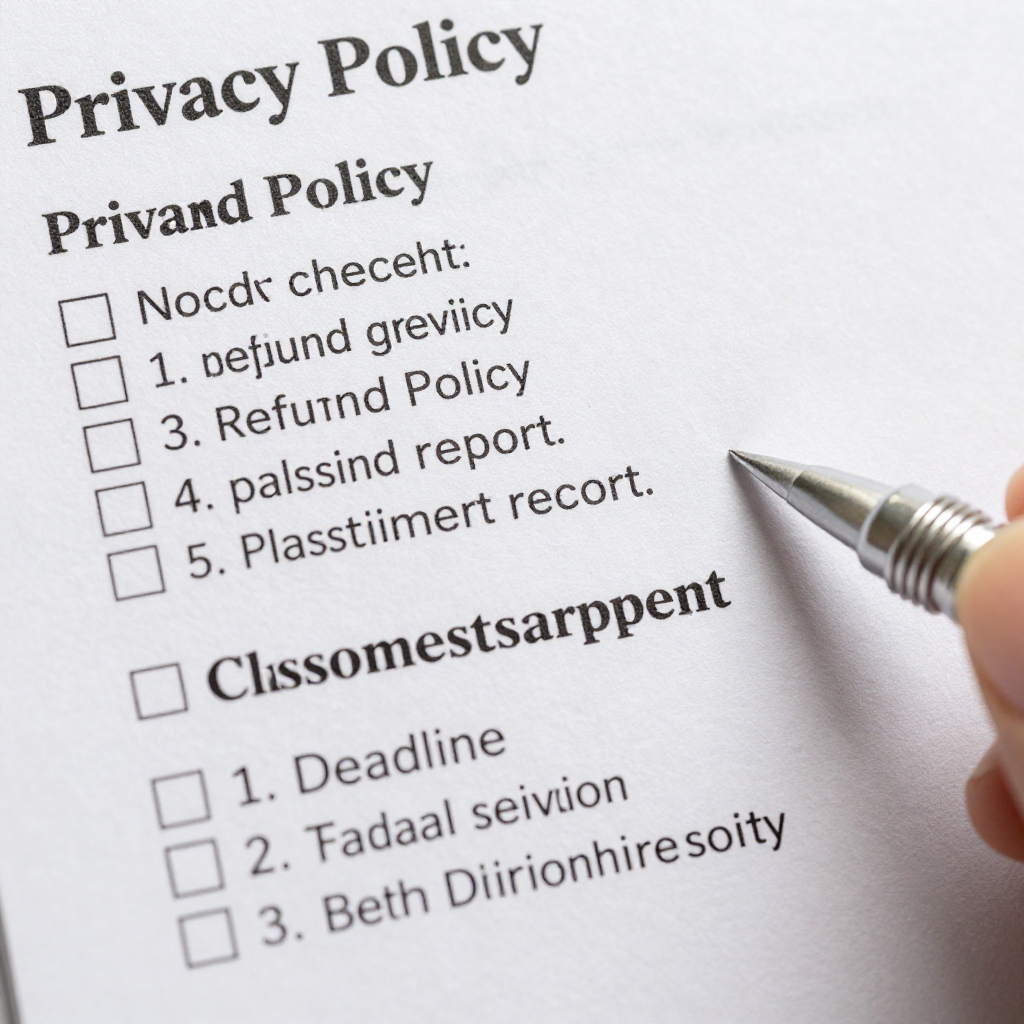
Privacy and reliability: Sharing your name, university, assignment prompt, or account details can expose personal information. A service may also miss the brief, use weak sources, or deliver late. Read its privacy terms and understand what happens to uploaded files. These checks reduce uncertainty, but they cannot guarantee secure handling or academically sound work.
Do not treat essay-service reviews as proof that a provider is safe or permitted. Reviews can help you compare customer experiences, but they rarely establish whether a university allows a particular service or whether its output is original. Look for specific, verifiable details and weigh them alongside your institution’s rules.
How to Evaluate a Writing Service Responsibly
Evaluate a writing service by checking what it actually does, how it handles your data, whether its terms are clear, and whether its support keeps you in control of your own work. No review score can replace checking your course policy.
Use a simple support-versus-substitution test: does the service teach, question, or comment on your work, or does it create the material you will be assessed on? A service focused on feedback or tutoring may support learning, subject to your university’s rules. A service that promises a completed essay, custom-written answers, or submission-ready work is a warning sign for authorship substitution.
- Read the service terms. Check what is included, how revisions work, and whether the company says it produces work for submission. Treat vague promises as a reason to pause.
- Check privacy practices. Find out what information is collected, how long files are kept, and whether the provider explains how it uses or shares data.
- Assess review credibility. Look for detailed accounts that describe a specific service and outcome. Be cautious of reviews that make sweeping guarantees or repeat identical praise.
- Confirm the learning purpose. Prefer assistance that explains feedback and helps you build skills. If you cannot use the result without presenting someone else’s work as your own, do not submit it.
For reviews on an essay-services website, keep two questions separate: “Did customers receive what they paid for?” and “Is that use permitted by my institution?” A positive answer to the first does not answer the second.
Ethical Alternatives for Academic Support
Ethical alternatives include asking your instructor, visiting a writing center, consulting a librarian, or working with a tutor under your institution’s rules. These options can help you improve a paper while keeping the assessed work yours.
Start with the instructor or teaching assistant. Bring a focused question, such as whether your thesis answers the prompt or whether a source is appropriate. They can clarify expectations before you spend time revising in the wrong direction.
A university writing center can often help with planning, organization, clarity, and revision strategies. Instead of rewriting a paragraph for you, a tutor may ask what you want it to argue and show you how to assess its evidence. A librarian can help locate credible sources and explain databases, citation tools, or research strategies. Subject tutors can review concepts and problem-solving methods, but you should complete assessed answers yourself.
When you seek help, bring the assignment instructions and a draft or outline. Ask what kinds of feedback are permitted and whether you need to disclose the support. That small conversation can prevent confusion later.
A Practical Decision Checklist
Before using writing help, check your course rules, identify what the helper will contribute, and confirm that you can honestly claim the final work as your own. If any answer is unclear, ask your instructor before proceeding.
- Does my syllabus or university policy permit this kind of outside help?
- Will the service comment on my work, or create ideas and text that I am expected to produce?
- Can I explain and defend every argument, source, and conclusion in the final submission?
- Does my institution require me to acknowledge editing, tutoring, or other assistance?
- Am I sharing personal or course information that I do not need to disclose?
- Would I be comfortable telling my instructor exactly how I used this help?
If you cannot answer these questions confidently, pause. The safest next step is usually to consult the course instructor, academic-integrity office, or writing center. Using support responsibly means getting help with the learning process while preserving your own authorship.
Frequently Asked Questions
Is using an editor or proofreader considered cheating?
Not automatically. Some institutions allow proofreading or limited editing, while others restrict the changes an outside person may make. Check your course rules and disclose assistance if required.
Can I submit an essay written by a writing service?
Submitting work produced by a service as your own may constitute contract cheating or another academic integrity violation. Do not submit it unless your institution has explicitly authorized that use, which is uncommon for assessed work.
How can I check my institution’s rules on outside help?
Review the assignment instructions, syllabus, and academic integrity policy. If the wording is unclear, ask your instructor or the academic-integrity office in writing so you have a clear answer for that assignment.
What are ethical alternatives to essay-writing services?
Try your instructor, a campus writing center, a librarian, or a tutor who teaches the material without completing assessed work for you. These options can provide feedback and guidance while leaving the final decisions and writing in your hands.